Can you take old dollar bills to Egypt: what to check before your trip
Which dollar bills can you take to Egypt? How to check their design, series and condition, what to ask banks or exchange offices, and what to do if refused.
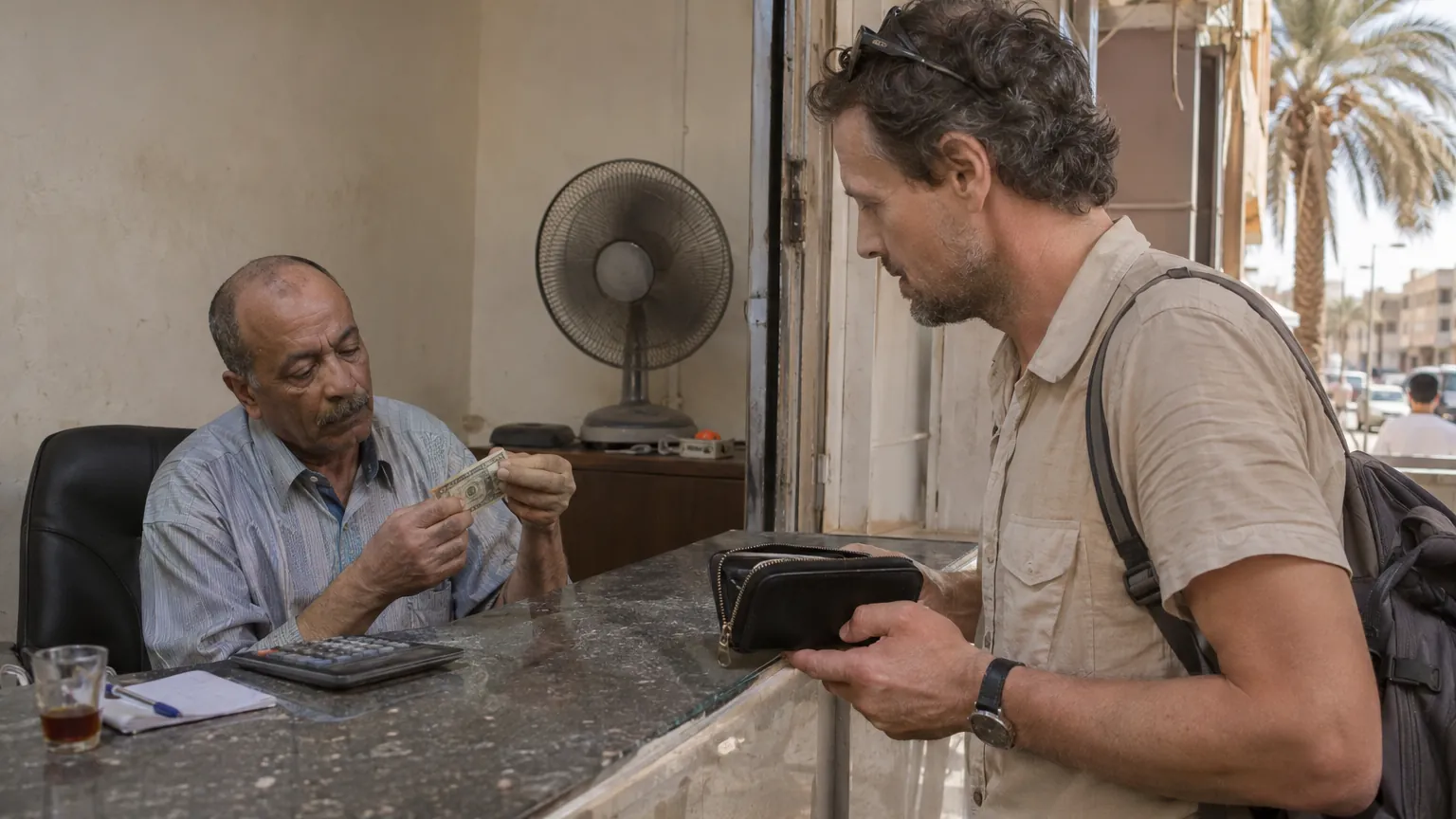
Short answer
If you have set aside dollar bills with different designs and in different conditions, check each one individually. An older design alone does not tell you whether a bank or exchange office in Egypt will accept a bill. Check the denomination and series, inspect the paper, and ask your chosen exchange counter about its requirements. A dollar bill's validity in the US does not confirm that you can exchange it in Egypt.
Key points
- Design
- Compare it with the official description.
- Condition
- Inspect both sides and the edges.
- Acceptance
- Check with your chosen exchange counter.
Which dollar bills should you take to Egypt, and what does the series year mean?
Start with four characteristics: denomination, design, series, and paper condition. Each answers a different question. An older-design bill may have intact edges and a clean surface, while a newer-design bill may have writing or a tear.
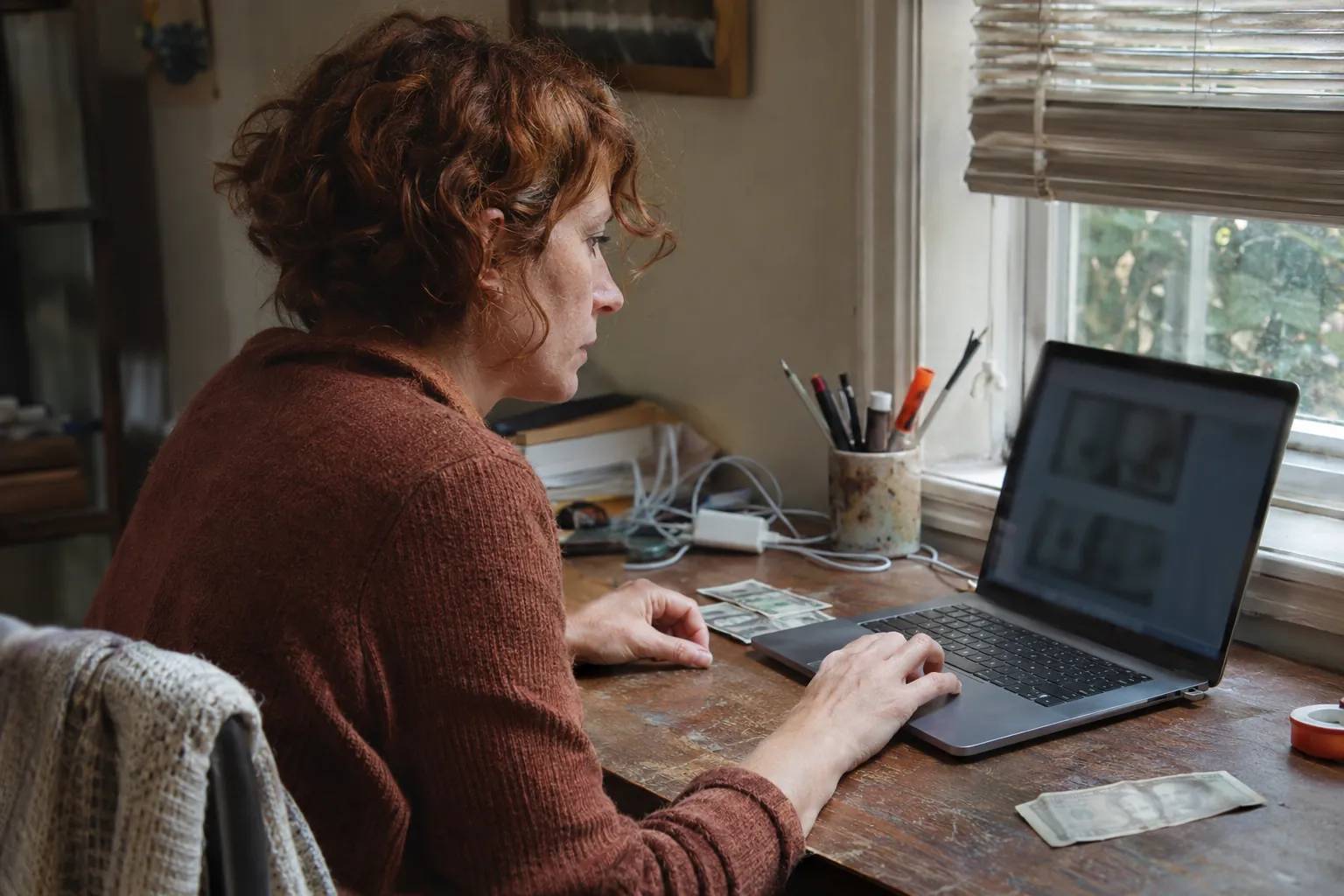
On a $100 bill, the blue 3-D security ribbon makes the difference between designs easy to spot. It is part of the newer $100 design; the previous design does not have it. Both versions appear on the official $100 Note page. The absence of a blue strip should not be used as a general criterion for all dollar denominations.
Look for the series year on the front, next to the word Series. Copy the full designation, including any letter after the year. According to Identifying Banknotes, the series relates to approval of the design or a change in signatures. It is not the printing date of an individual bill: you cannot use it to establish how many years a particular bill has been in circulation.
US dollar bills with both older and newer designs remain legal tender and retain their face value in the US. The U.S. Currency Education Program confirms this in its Frequently Asked Questions. You need to check acceptance requirements for exchange in Egypt separately. Do not select bills based on a universal "accepted" year: this article provides no confirmed criterion that applies to every exchange counter.
Which stains, writing, and tears should you describe to the exchange counter in advance?
Inspect each bill in good lighting: first the front, then the back, edges, and corners. Describe the visible feature and its location. Instead of "the bill is slightly crumpled," write: "a fold down the center, with the paper intact along the fold."
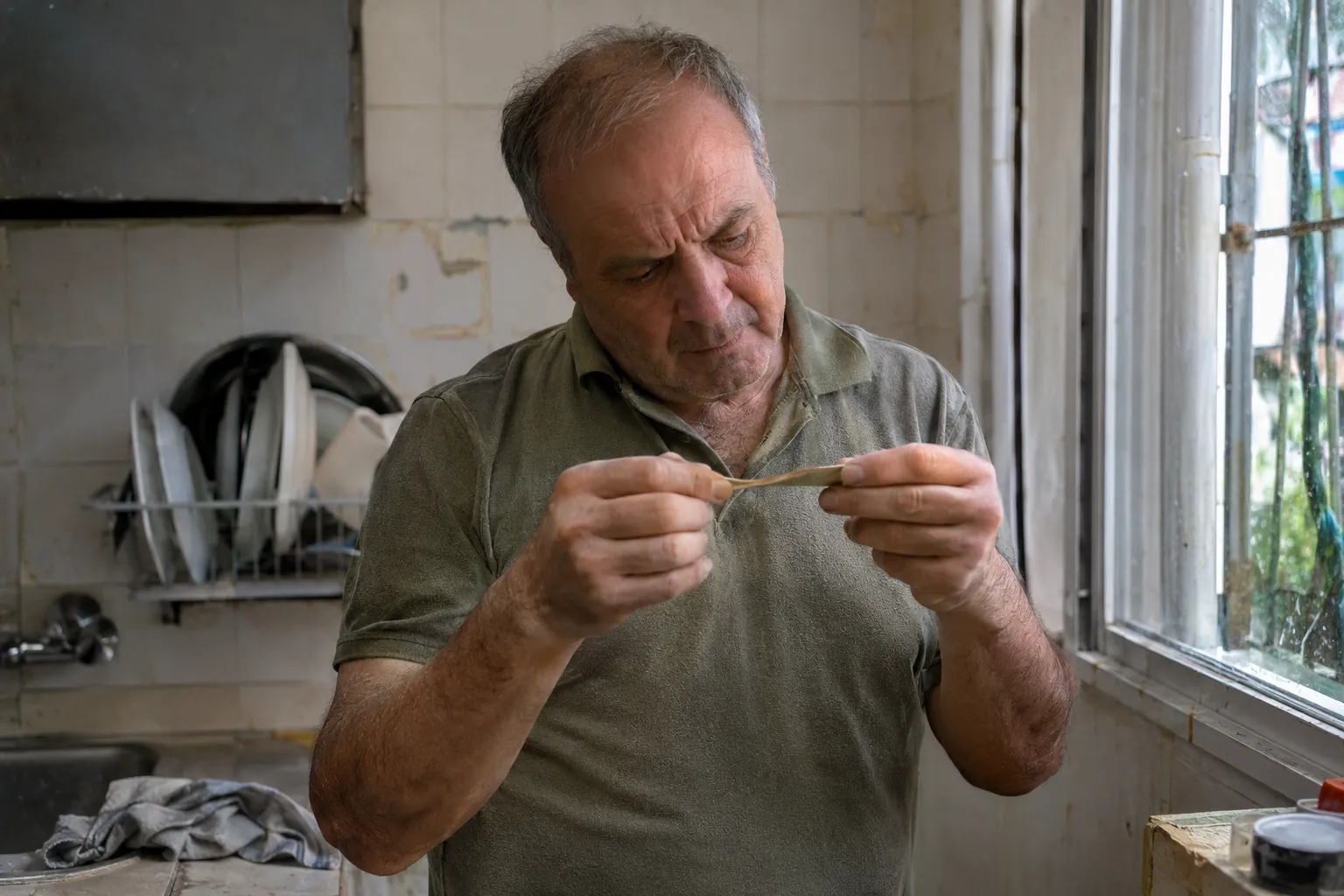
What can you see on the paper and edges?
Distinguish between a fold, a pronounced crease, a tear, and a missing piece of paper. Specify the location: the left edge, a bottom corner, or the center. If the paper is visibly worn, list the signs instead of giving a general assessment such as "a worn-out bill."
Where are the stains and writing?
Specify the side, color, and location of the mark. For example: "a small handwritten inscription on the back near the right edge." State separately whether it affects the image, numbers, or other markings.
Are there signs of repair?
Check for tape, a glued section, or traces of glue. Describe the location and what you can see. Do not try to prepare a bill for exchange by gluing it, bleaching it, or removing writing.
Inspect newer-design bills using the same questions. This inspection helps you prepare an inquiry, but it does not confirm authenticity or determine whether any damage is acceptable. You cannot draw those conclusions from appearance or a photograph alone.
What should you ask about large and small denominations?
Write down the denominations of all the bills you have set aside. Do not assume that the terms for a large bill also apply to smaller ones: your inquiry should cover the actual cash you have.
If you plan to exchange dollars for Egyptian pounds, ask three separate questions: whether the bills will be accepted, which exchange rate will apply, and whether there is a fee. Ask for the final amount you will receive.
What to ask about denominations: is each denomination you have accepted; what requirements apply to older designs; how will the payout be calculated, including any fee?
Buying pounds with dollars and accepting dollars as payment for goods are different transactions. This article covers only exchanging bills you already have, without comparing dollars with euros or other currencies.
How can you check a particular bank's or exchange office's requirements?
Check the terms at your chosen location. Follow the same procedure in Hurghada and Sharm el-Sheikh: a city name or tourist area is no substitute for an answer from the exchange counter.

-
Choose a specific branch or exchange office
Write down the organization's name and the location you plan to visit. If you are looking for an official exchange office, verify its details through the organization's official channels.
-
Describe your bills
Provide the denominations, series, designs, and details of the paper's condition. Ask whether you can send photos and which official channel to use.
-
Ask about the transaction terms
Check whether each bill will be accepted, which documents are required, the exchange rate, and the exchange fee. Ask how the payout is calculated.
-
Save the reply with the date and location
Check whether the reply applies to your chosen exchange counter. If necessary, confirm general guidance from customer support with the branch before your visit.
A reply based on a photograph helps you prepare for your visit. It does not replace an in-person inspection or guarantee that the bill will be accepted.
How can you describe three different bills in one inquiry?
Consider a hypothetical set of three bills. Their designs and condition are described for illustration. In your own inquiry, also include the Series designation copied from each bill.
| Bill | What to tell the exchange counter | What to focus your question on |
|---|---|---|
| Older-design $100 bill | Design without a blue ribbon, no visible writing or tears. | Requirements for accepting an older-design bill. |
| Newer-design $100 bill | Design with a blue ribbon, a small handwritten mark on the back. | Requirements for accepting a newer-design bill with writing. |
| $20 bill | A fold down the center, intact edges. | Acceptance of this denomination with the fold described. |
Sample inquiry to an exchange counter
Hello! I plan to exchange dollars for Egyptian pounds at your branch. I have three bills: an older-design $100 bill without a blue ribbon, with no visible writing or tears; a newer-design $100 bill with a blue ribbon and a small handwritten mark on the back; and a $20 bill with a fold down the center and intact edges.
Do you accept each of these bills? Can I send photos in advance through your official channel? Which documents are required? Which exchange rate will apply, and how will the payout be calculated, including any fee? Do these terms apply to the branch I plan to visit?
This is an illustrative example; you still need a reply from the exchange counter. Acceptance has not been confirmed for any of these bills. If the organization replies only about the older design, ask separately about the writing and the $20 denomination.
What should you do if a particular bill is rejected?
Ask for the reason
Ask whether the decision relates to the design, denomination, condition, or transaction terms. Do not assume that one exchange counter's answer applies throughout Egypt.
Check another option
Send the description to another organization you have chosen. Before your trip, you can ask a Russian bank about its terms for replacing bills and separately check whether your old bill can be replaced.
Confirm a backup method
If you need another way to receive money, ask your chosen service whether it is available for Egypt, how to collect the funds, and the total transaction cost. Until the terms are confirmed, do not rely on this option as a ready replacement for cash.
What should you check before your flight?
-
Denominations and series recorded
The denomination, full Series designation, and design version are recorded for each bill.
-
Both sides and the edges inspected
Folds, stains, writing, and other features are described separately.
-
Exchange counter's terms checked
The reply about your bills, documents, and payout calculation has been saved, along with the date and location.
-
Next step chosen
You have decided what to do with each bill: clarify acceptance, keep it for the trip after receiving a reply, or request a replacement. A backup way to receive money has been arranged separately.
If a family member is taking the cash, give them the descriptions of the bills and the saved reply from the exchange counter.
Questions and answers
Can you exchange a $100 bill without a blue strip in Egypt if it is valid in the US?
Legal tender status in the US alone does not confirm acceptance in Egypt. Tell the exchange counter the series and condition of your $100 bill without a ribbon and ask about the requirements for that specific bill.
How can I find the year of my dollar bill?
Find the Series designation on the front and copy the year together with any letter after it. It identifies the design or signature series, rather than the printing date of that individual bill.
Will a newer-design $100 bill with writing on the back be accepted?
To answer, the exchange counter needs a description of the mark: where it is, its color, and which elements it affects. The blue ribbon does not tell you whether the writing is acceptable.
Does an ordinary fold count as damage when exchanging a bill?
Describe it as a fold and state separately whether the paper along the fold is intact. Ask your chosen exchange counter how the organization assesses this feature when exchanging bills.
Can I set aside smaller dollar bills for exchange?
Specify the exact denominations you have and ask for an answer about each one. The terms for a $100 bill do not confirm the terms for other denominations.
Can a photograph provide a final answer on whether a bill will be accepted?
A photo is suitable for a preliminary inquiry through an agreed official channel. A final answer may require an inspection on site; if the bill is rejected, ask for the reason before contacting another organization.
Leave a transfer request
We agree the payout method, the rate and the route before payment and reply within 5 minutes in the channel you prefer.