Currency exchange in Thailand
Cash or bank account exchange in Thailand for tourism and business
122 reviews
710 reviews
308 reviews
Exchange calculator:
Exchange rates
Current fiat and cryptocurrency rates
Shown 1 - 11 of 21
How does the ruble exchange process
to local currency work?

ATM cash withdrawal
ATM cash withdrawal
You submit a request, specify the amount you need in local currency, and indicate
the bank from which you will transfer rubles to us. We work with any Russian bank.
Our specialist contacts you and confirms the exchange rate. After that, you find
the nearest ATM on Google Maps of one of these banks: Bangkok Bank, Krung Thai, Krungsri, SCB, TTB or Kasikorn, and head there.
You transfer funds from your Russian bank using the details provided by the
operator in chat. After the funds are received, you approach the ATM and start the
cash withdrawal process.
The ATM flow is explained in detail in a video guide that you can request in chat.

Courier delivery
Courier delivery
You submit a request, specify the amount you need in local currency, and indicate
the bank from which you will transfer rubles to us. We work with any Russian bank.
Our specialist contacts you, confirms the exchange rate, and then you agree on a
convenient meeting time for courier delivery.
At the meeting, the courier can show you the cash on request.
After that, you transfer funds from your Russian bank using the details provided by
the operator. Once funds are received, the courier hands over the cash.

Cash pickup at office
You submit a request, specify the amount in local currency, and indicate the bank
from which you will transfer rubles to us. We work with any Russian bank.
Our specialist contacts you, confirms the rate, and then you can visit our office.
At the office, you transfer funds from your online bank using the provided details.
After the funds are received, an employee gives you cash.

To a bank account
Transfer to your local bank account
You submit a request, specify the amount in local currency, and indicate the bank
from which you will transfer rubles to us. We work with any Russian bank.
Our specialist contacts you, confirms the exchange rate, and then the transfer to
account can be arranged remotely or in person.
You transfer funds from your Russian bank using the provided details. After the
funds are received, an employee sends money to any local bank account by account number.
Transfers are available to banks such as Bangkok Bank, Krung Thai, Krungsri, SCB, TTB or Kasikorn.
Stages of currency exchange in Thailand
Currency and method selection
Fill in the calculator data. Choose the currency and a convenient way to receive funds.

Contact details
Enter your contact details, click “Start transfer”, and wait for an operator response.

Confirmation
After confirmation and payment, we send money to Thailand using the selected method.

Customer reviews
Real stories from real people
Everything went great, we exchanged rubles from a Russian card to Thai baht, manager Ekaterina did her job excellently, was always in touch, everything was clear, the withdrawal was done at an ATM. Thank you!
Read on GoogleEverything went quickly and efficiently. Thanks to manager Anna
Read on TrustpilotShown - of
Advantages of our
currency exchange service
Support for all major card types: Visa, MasterCard, UnionPay, etc.
Ability to send transfers in rubles with automatic conversion into the recipient card currency.
Simple and convenient use: just a few clicks and your money is on the way to the recipient.
Fast and secure transactions worldwide.
Cards we accept


Exchange money in other cities of
Thailand
Popular
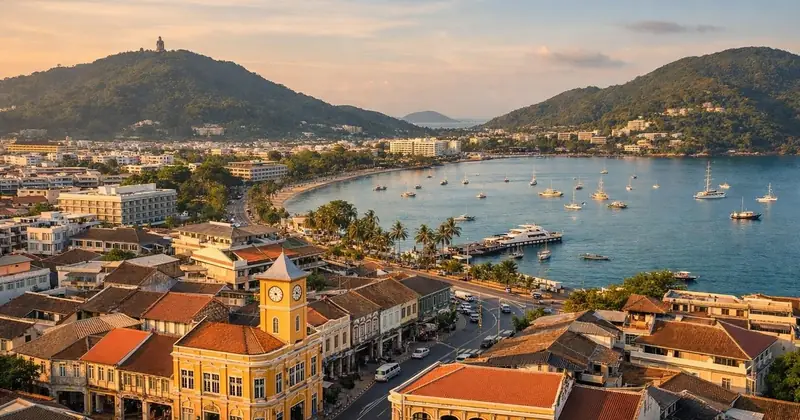
Phuket
Thailand
Transfers
49 300+Average time
40 minutes
Popular
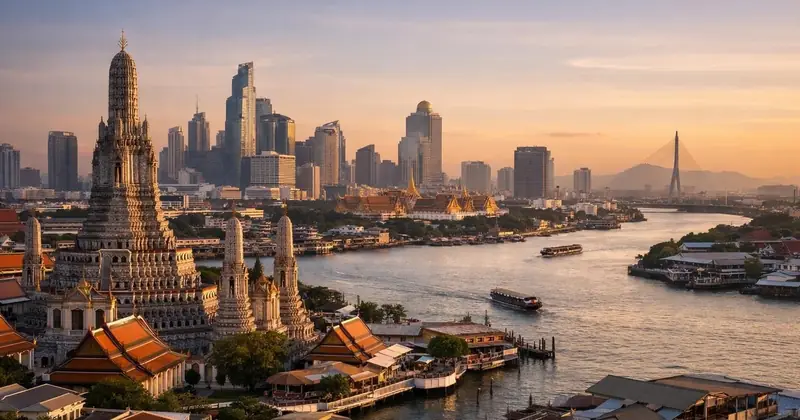
Bangkok
Thailand
Transfers
38 600+Average time
40 minutes
Popular
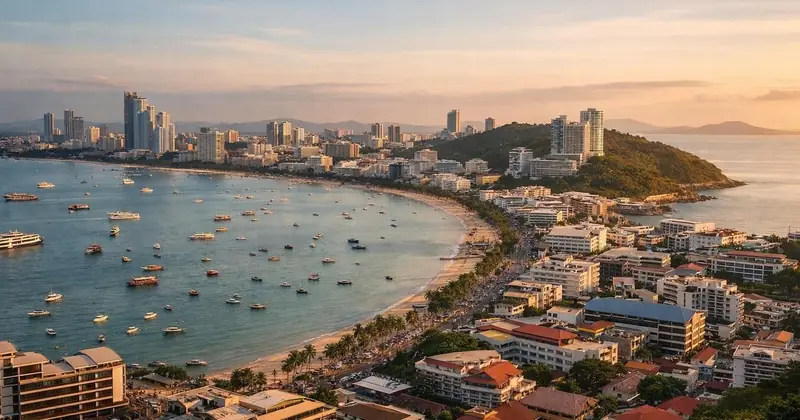
Pattaya
Thailand
Transfers
32 300+Average time
45 minutes
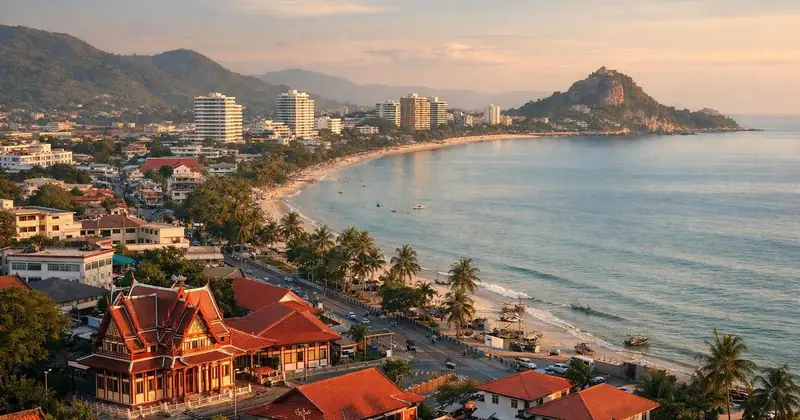
Koh Samui
Thailand
Transfers
27 400+Average time
55 minutes
Krabi
Thailand
Transfers
22 500+Average time
50 minutes
Chiang Mai
Thailand
Transfers
21 200+Average time
50 minutes
Chiang Rai
Thailand
Transfers
18 800+Average time
55 minutes
Hua Hin
Thailand
Transfers
16 800+Average time
55 minutes
Ko Pha Ngan
Thailand
Transfers
15 900+Average time
55 minutes
Ko Tao
Thailand
Transfers
14 700+Average time
55 minutesWith ATM24, transfers to Thailand become fast, convenient and secure. Join us today and see it for yourself.
Submit a request for exchange or transfer
Our manager will contact you within 15 minutes and process the transaction
*By submitting this request, you agree to our Privacy Policy and provide your consent to receive communications.
FAQ
What should you check in the THB rate before sending money to Thailand?
The current THB exchange rate is confirmed during the ATM24 request flow. For Thailand, the final result can change with payment currency, payout route, amount size and the city or recipient details.
A fast benchmark is the 100 USDT value: 3 209 THB. Treat it as a live reference, then check the exact amount before funding the request.

Rate note for Thailand: use the live rate only after choosing the route around Bangkok, Phuket, Pattaya, Samui and Chiang Mai. The same THB quote can feel different if the money is needed for housing, card fallback or cash reserve.
For Thailand, start with Bangkok, Phuket, Pattaya, Samui and Chiang Mai, then test the route against THB cash is still useful for street food, taxis, markets, island transport and housing deposits. The final THB amount is more useful than a generic fee comparison.
Are Visa, Mastercard and other foreign cards reliable for THB cash in Thailand?
International cards can be useful in Thailand, but the safe assumption is mixed access: card for formal venues, THB cash for smaller or time-sensitive payments.
Before the trip, check your card network and daily limit. Around Bangkok, Phuket, Pattaya, Samui and Chiang Mai, the weak point is usually not the rate itself, but acceptance, limit or conversion markup.
Card note for Thailand: foreign cards work widely in malls and hotels, while ATM fees and DCC can make small withdrawals expensive. A visitor should still keep a backup route for THB because ATM limits, issuer fees and DCC can change the final cost.
For a country-specific answer, connect the exchange method with Bangkok, Phuket, Pattaya, Samui and Chiang Mai, arrival cash and airport transfer.
Can you pay in USD or EUR in Thailand, or do you need local currency?
In Thailand, USD or EUR should be treated first as exchange currencies. USD or EUR are useful for exchange, but daily spending is normally easier in THB For ordinary spending, the clean comparison is still the final amount in THB.
Before using foreign cash directly, confirm banknote condition, the rate being applied and whether change is returned in local currency.
Currency note for Thailand: USD or EUR are useful for exchange, but daily spending is normally easier in THB.
If the money is needed for arrival cash or airport transfer in Thailand, confirm city, recipient format and net THB before choosing the route.
How should rent or apartment cash be prepared in Thailand?
Before paying rent in cash, split the budget into deposit, first payment and living cash. The housing part should not be mixed with taxi, food or market money.
For Thailand, island villas, serviced apartments and city hotels price differently, so deposits should be separated from daily cash. Ask for a receipt or written confirmation when the accommodation payment is made.
Accommodation note for Thailand: island villas, serviced apartments and city hotels price differently, so deposits should be separated from daily cash. Fix the deposit currency before exchanging: THB, USD or EUR before exchanging the full amount.
Which ATM24 calculator routes can be checked for receiving THB?
For Thailand, use the ATM24 calculator to compare the route that matches the real task: cash for arrival, bank payout for a recipient, or USDT funding for a predictable transfer.
Confirm the 100 USDT benchmark (3 209 THB), then change the amount and payout format. The best route for Bangkok, Phuket, Pattaya, Samui and Chiang Mai may differ from a generic country example.
Calculator note for Thailand: test at least two routes when possible, because foreign cards work widely in malls and hotels, while ATM fees and DCC can make small withdrawals expensive and THB cash is still useful for street food, taxis, markets, island transport and housing deposits. This is especially relevant for the tourism cash scenario.
If the money is needed for arrival cash or airport transfer in Thailand, confirm city, recipient format and net THB before choosing the route.
Can you receive THB via an ATM/Cardless route with ATM24?
If a Cardless ATM route is available for THB, it is a separate payout scenario, not a normal withdrawal from your own card.
Before creating a request, confirm the delivery route, city and the 100 USDT benchmark in the calculator: 3 209 THB. The exact city, time and ATM point should be confirmed inside the request.

ATM/Cardless note for Thailand: this should be checked by city and payout point, not assumed countrywide. Around Bangkok, Phuket, Pattaya, Samui and Chiang Mai, availability can matter more than the headline rate.
If the money is needed for arrival cash or airport transfer in Thailand, confirm city, recipient format and net THB before choosing the route.
What should you confirm before exchanging USDT for THB in Thailand?
USDT to THB can be practical for cross-border funding, especially when standard card or bank routes are inconvenient.
Before funding the request, check the network fee, ATM24 route, usable amount and whether the recipient needs cash or account credit.
USDT route note for Thailand: crypto payment only solves the funding side. The important part is whether the recipient can use the final THB for THB cash is still useful for street food, taxis, markets, island transport and housing deposits.
For a country-specific answer, connect the exchange method with Bangkok, Phuket, Pattaya, Samui and Chiang Mai, arrival cash and airport transfer.
Do you need cash in THB in Thailand?
Yes, some THB cash is useful in Thailand, but it should be sized by purpose rather than carried as the whole budget.
Plan a reserve for THB cash is still useful for street food, taxis, markets, island transport and housing deposits. Keep lodging or deposit money separate from daily spending.
Cash-use note for Thailand: THB cash is still useful for street food, taxis, markets, island transport and housing deposits.
What should your first THB cash reserve cover in Thailand?
Keep THB cash as operating money, not as a single lump sum. Split it between arrival, transport, food, small services and emergency reserve.
In Thailand, this is especially useful because foreign cards work widely in malls and hotels, while ATM fees and DCC can make small withdrawals expensive.
Cash-use note for Thailand: THB cash is still useful for street food, taxis, markets, island transport and housing deposits.
What city details are needed before a payout in Thailand?
City selection should be fixed before funding the exchange. It affects local availability, manager confirmation and how the recipient receives money.
If the route changes inside Thailand, update it before the route is locked rather than after the request is active.
City note for Thailand: start with Bangkok, Phuket, Pattaya, Samui and Chiang Mai. A route that works in one city may differ by timing, limit, cash pickup format or bank-account availability.
For Thailand, start with Bangkok, Phuket, Pattaya, Samui and Chiang Mai, then test the route against THB cash is still useful for street food, taxis, markets, island transport and housing deposits. The final THB amount is more useful than a generic fee comparison.
Why can the visible rate differ from usable THB in Thailand?
In Thailand, calculate the real cost by purpose: accommodation, first-day cash, larger recipient payment and backup reserve.
A route with a slightly weaker rate can still be better if it gives a clearer net THB amount and safer payout.
In Thailand, the real cost should be checked against the local use case: Bangkok, Phuket, Pattaya, Samui and Chiang Mai. The headline rate is less useful than the net THB available for lodging, transport and reserve.
For Thailand, start with Bangkok, Phuket, Pattaya, Samui and Chiang Mai, then test the route against THB cash is still useful for street food, taxis, markets, island transport and housing deposits. The final THB amount is more useful than a generic fee comparison.
What data should be ready before exchanging money for Thailand?
The minimum data is not just the country. ATM24 needs enough detail to lock the route: amount, city, settlement format, recipient contact and payment currency.
For Thailand, the request is cleaner if you also mention whether the money is for island villas, serviced apartments and city hotels price differently, so deposits should be separated from daily cash or for THB cash is still useful for street food, taxis, markets, island transport and housing deposits.
Data note for Thailand: add the city, recipient format and expected use case from the start. For this page, the practical context is Bangkok, Phuket, Pattaya, Samui and Chiang Mai and island villas, serviced apartments and city hotels price differently, so deposits should be separated from daily cash.
For Thailand, start with Bangkok, Phuket, Pattaya, Samui and Chiang Mai, then test the route against THB cash is still useful for street food, taxis, markets, island transport and housing deposits. The final THB amount is more useful than a generic fee comparison.
What should you check before a large exchange in Thailand?
For a large exchange in Thailand, fix the net THB amount, payout city, recipient details and source-of-funds context while setting up the exchange.
Split the budget by purpose: island villas, serviced apartments and city hotels price differently, so deposits should be separated from daily cash; daily reserve; business or family payment. This avoids changing instructions after funds are sent.
Large-exchange note for Thailand: separate the part needed for accommodation from the part needed for daily cash. Island villas, serviced apartments and city hotels price differently, so deposits should be separated from daily cash; THB cash is still useful for street food, taxis, markets, island transport and housing deposits.
In Thailand, compare this question against Bangkok, Phuket, Pattaya, Samui and Chiang Mai. Arrival cash and airport transfer usually decide whether the answer should be cash-first, account-first or a mixed route.
What can slow down an exchange request for Thailand?
Timing problems are often operational, not rate-related: bank review, wrong recipient data, network confirmation or changed payout instructions.
If the request is for Bangkok, Phuket, Pattaya, Samui and Chiang Mai, confirm the local route before the exchange is confirmed so the payout step does not have to be rebuilt.
Timing note for Thailand: delays are more likely when city, recipient data or payout format changes mid-process. Keep the route aligned with Bangkok, Phuket, Pattaya, Samui and Chiang Mai before funding the request.

Where is the best place to exchange money in Thailand?
Money can usually be compared through four routes in Thailand: bank or ATM, ATM24 online exchange, street exchange offices and card withdrawal from a foreign card.
ATM24 online exchange: a verified worldwide route with fixed amount at request creation, fee from 0.9%, and THB receiving to a bank account or cash pickup at the nearest available office once the route is confirmed.
Bank: compare Bangkok Bank, Kasikornbank, SCB, Krungsri, but price the route by net THB: operator fee, 1-7% conversion, issuer fee, DCC, international surcharge and limits. Expensive cases can approach 25%.
Street exchange offices: do not call them simply convenient. The editorial angle is fraud risk, note quality, unclear service charge and lack of confirmation.
A good Thailand comparison starts with Bangkok, Phuket and Pattaya. Cash matters because THB cash is still useful for street food, taxis, markets, island transport and housing deposits. For cards or ATMs, foreign cards work widely in malls and hotels, while ATM fees and DCC can make small withdrawals expensive.
Start with Bangkok, Phuket, Pattaya, Samui and Chiang Mai and the actual use of the money. Foreign cards work widely in malls and hotels, while ATM fees and DCC can make small withdrawals expensive. The better route is the one that leaves a clear, usable THB amount after limits and fees.
How much cash in THB do you need in Thailand for one week?
For a week in Thailand, plan roughly 16 500-42 500 THB (about 500-1300 USD) when accommodation is included.
Housing example: an apartment or hotel night can be 30-100 USD, and a house or villa night can be 70-220 USD. The range can move strongly by city and season, so do not mix rent or deposit money with small cash for daily spending.
For daily payments, THB cash is still useful for street food, taxis, markets, island transport and housing deposits. For accommodation, Island villas, serviced apartments and city hotels price differently, so deposits should be separated from daily cash.
For Thailand, keep accommodation, arrival money and day-to-day expenses in separate buckets. THB cash is still useful for street food, taxis, markets, island transport and housing deposits. For accommodation, Island villas, serviced apartments and city hotels price differently, so deposits should be separated from daily cash.